
What I hear
The five things keeping you up at night
- “I find myself in the boardroom not being taken as seriously as somebody in my position, with my background, would be.”
- “I don’t feel the nervousness that my voice communicates.”
- “If I’m going on a bit of a ramble for a minute or two, by the end I’ve lost a bit of that pizzazz I probably opened with.”
- “If I’m very prepared, I’m great. If I’m not, or I have no time to prepare…”
- “As an investor, if you’re not known, you’re kind of dead.”
Underneath
What’s actually in the way?
- The voice that got you here is the one holding you back.
- You’re stuck in your head.
- You don’t have enough reps off-script.
- Your nervous system takes over before your expertise can.
- You sound like everyone else.
The lines at the top of the page
Command is not volume. Command is signal.
Tone is the signal that’s present in what is otherwise noise.
The lines at the top of the page are the overtones of a sung middle C. The red band is the singer’s formant, the resonance that carries an unamplified voice over a full orchestra.
In their words
“I had no confidence in my ability to do public speaking. I’m now signed up for three panels in one day in Singapore.”
“I’m less impulsive after working with you. I learned how to structure a thought in my brain.”
The method
Your voice tells the world who you are. When you speak, you lead.
But when you perform something instead of embodying it, your frame collapses internally and externally. A solid voice goes nowhere without a relevant message built on true confidence.
Asking yourself better questions is only part of the equation. There is also the courage and honesty with which you answer, and the urgency and accountability with which you take action on those answers. This, in addition to the coordination of your voice, is what creates your sound.
The Three Resonances
The Seven Skills of Tonality The Message and The Mission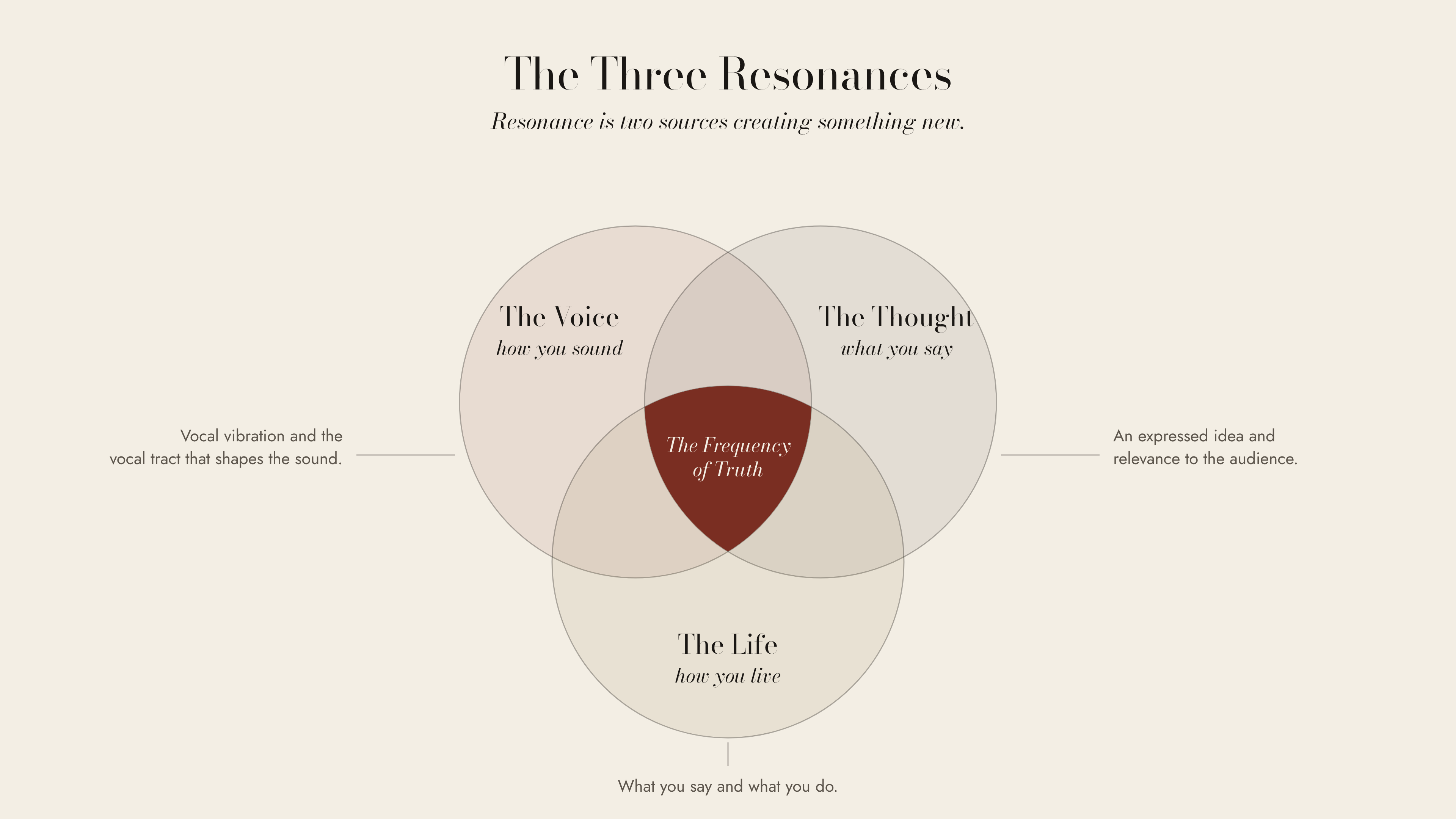
The Voice, how you sound: vocal vibration and the vocal tract that shapes the sound.
The Thought, what you say: an expressed idea and relevance to the audience.
The Life, how you live: what you say and what you do.
Where all three meet is The Frequency of Truth.
Results
“You can command a room with your presence alone.”
“I came to Michael to learn about the mechanics of voice… but through our conversations gained a deeper appreciation and insight into human psychology.”
Brian M.Subcontract Program Manager, Lockheed Martin
Clients from
- Lockheed Martin
- Multicoin Capital
- Abnormal AI
- Vellum AI
- Malbec Labs
- Galvanick
“Initially I thought it was just going to be… public speaking, but you’ve basically become an executive coach.”
“He treats the voice as an instrument to be practiced, exercised, and refined yielding a more confident, more present individual.”
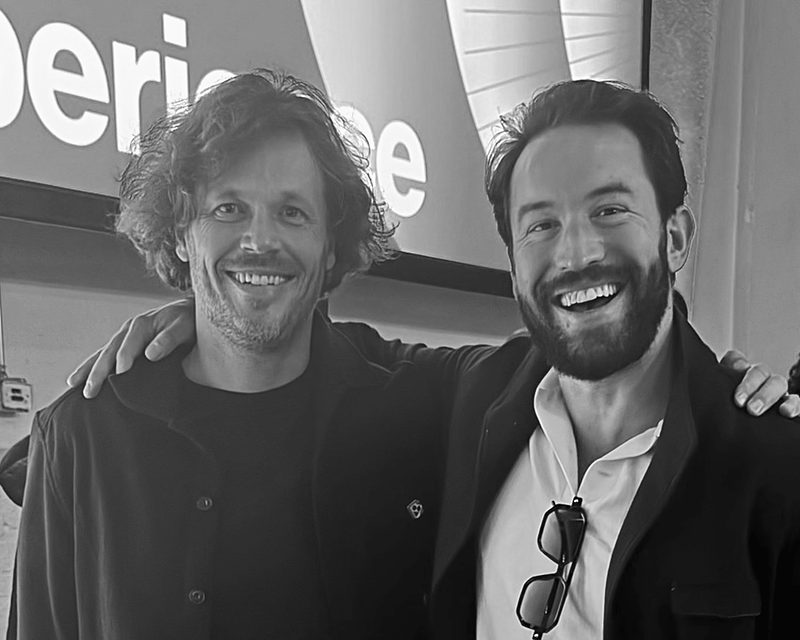
Read the testimonials
Winning becomes easy
Michael is able cut to the heart of an issue with surgical precision. He is able to rapidly assess a person, what unique needs they have and from there works with them to craft a solution. Winning becomes easy.
I’m a young professional in a program management leadership role within one of our nation’s largest defense companies. My job is to deliver results to the our customer, and that means performing at the highest level to earn their business. With a portfolio over $800m, my customers are our nation’s warfighters, and involves a diverse set of customers within the DOW & IC. They are the best of the best and demand excellence from industry. Working with Michael helped ensure I meet the mark.
Michael is unique in that his breadth of knowledge spans multiple disciplines. I came to Michael to learn about the mechanics of voice (ex. “how do I project to a large audience without “yelling”?) but through our conversations gained a deeper appreciation and insight into human psychology (you can command a room with your presence alone).
I would recommend anyone who already has the deep burning need to be the best version of themselves to work with him.
My name is Ben Marx and I’m head of engineering at Malbec Labs. I’ve actually been giving talks for over a decade, but working with Michael has exponentially improved how I can speak when giving a talk but also when having a conversation or meeting someone for the first time. I’ve always been an introvert and generally dreaded speaking in public but Michael has given me tools that I use to help me speak more confidently and with a greater stage presence than ever before.
Working with him is so effective because he teaches to use your instrument like a voice and how to exercise and understand it. He approaches his teaching in a holistic and disciplined fashion which has worked really well for me because now that I have the tools I can recalibrate in real-time. To give a real example, instead of speaking quickly like I normally do, I can use the breath work and pacing he’s taught to actually tell a narrative and keep the audience---and me---engaged. It has helped ground me and these effects ripple throughout every facet of my life.
Vocal communication is the core of so much of what we do as people that anyone could benefit from Michael’s teaching because he treats the voice as an instrument to be practiced, exercised, and refined yielding a more confident, more present individual.
Michael having experience in the cyber security space initially piqued my interest and led me to reach out.
I am an Enterprise SDR at a fast growing start up. I have always had issues with imposter syndrome or lack of accountability. Michael helped me make little perspective and workflow tweaks that went a long way.
After my first session with Michael I booked my first cold call at my new company. After my second session with Michael I booked 5 meetings that week, 3 of which were C-level execs.
I know if I continue to implement Michael’s workflows and mindset I will flourish. I highly recommend working with Michael.
Michael was great to work with.
His experience both in the performing arts and tech sales is unique, and helped us focus our efforts on storytelling for our prospective customers.
Michael came and spoke to our community of professional speakers and knocked the roof off the place! He gave a very clear avenue to properly conveying their message as professional speakers to the world and when on stage. Thanks so much would HIGHLY recommend Michael to anyone looking to up their game!
Watch the testimonials
He was rambling on partnership calls, including one with Visa. He closed the next three deals.
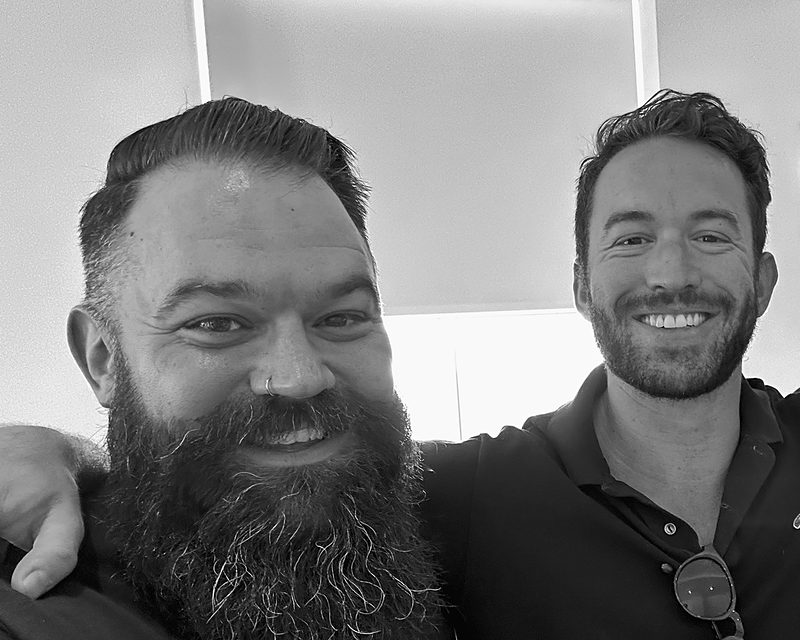
His team doubled its meetings per rep. Revenue went from $2.5M to $4M a month.
About
I’m a natural on stage. I’m also a natural rambler.
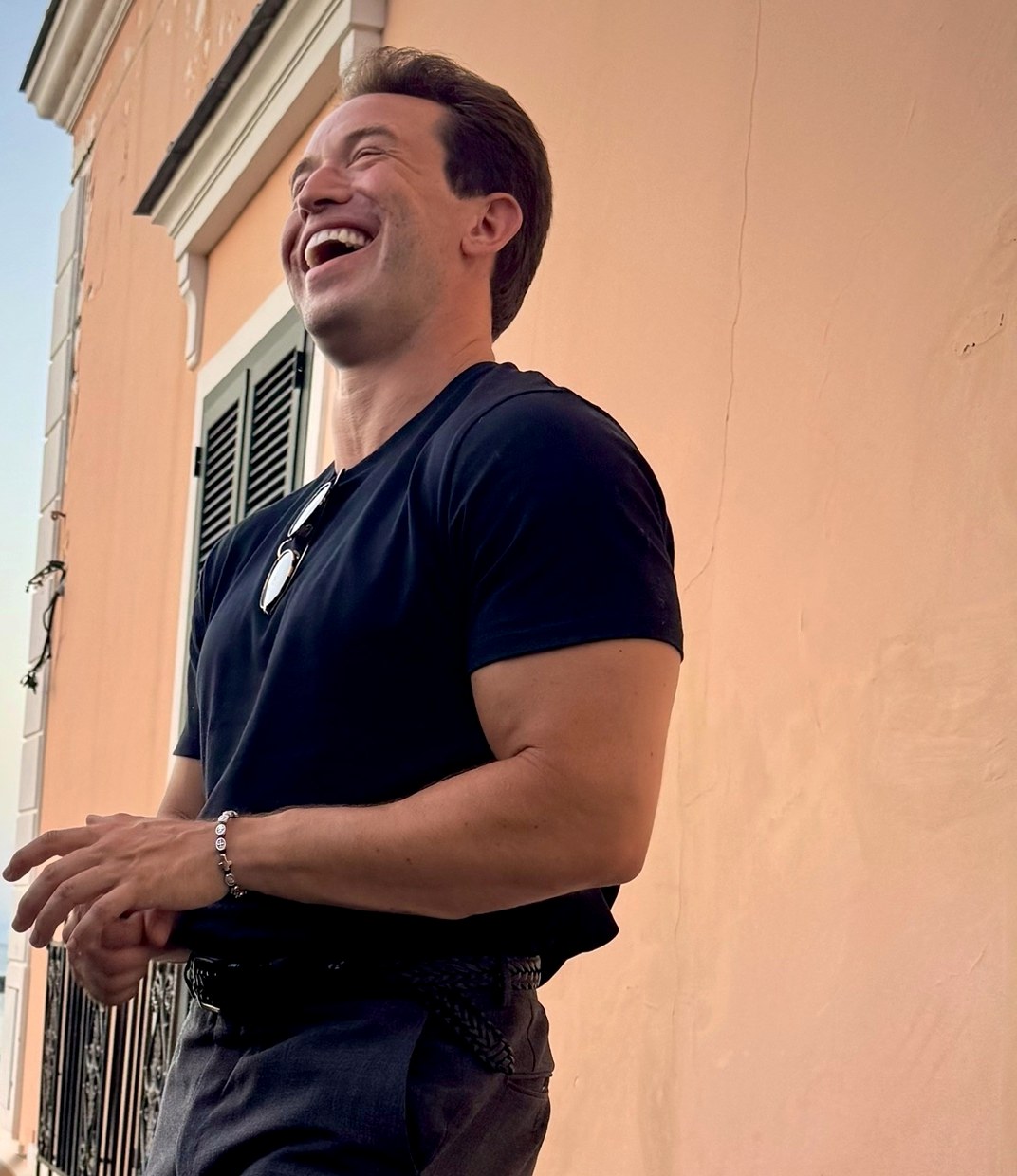
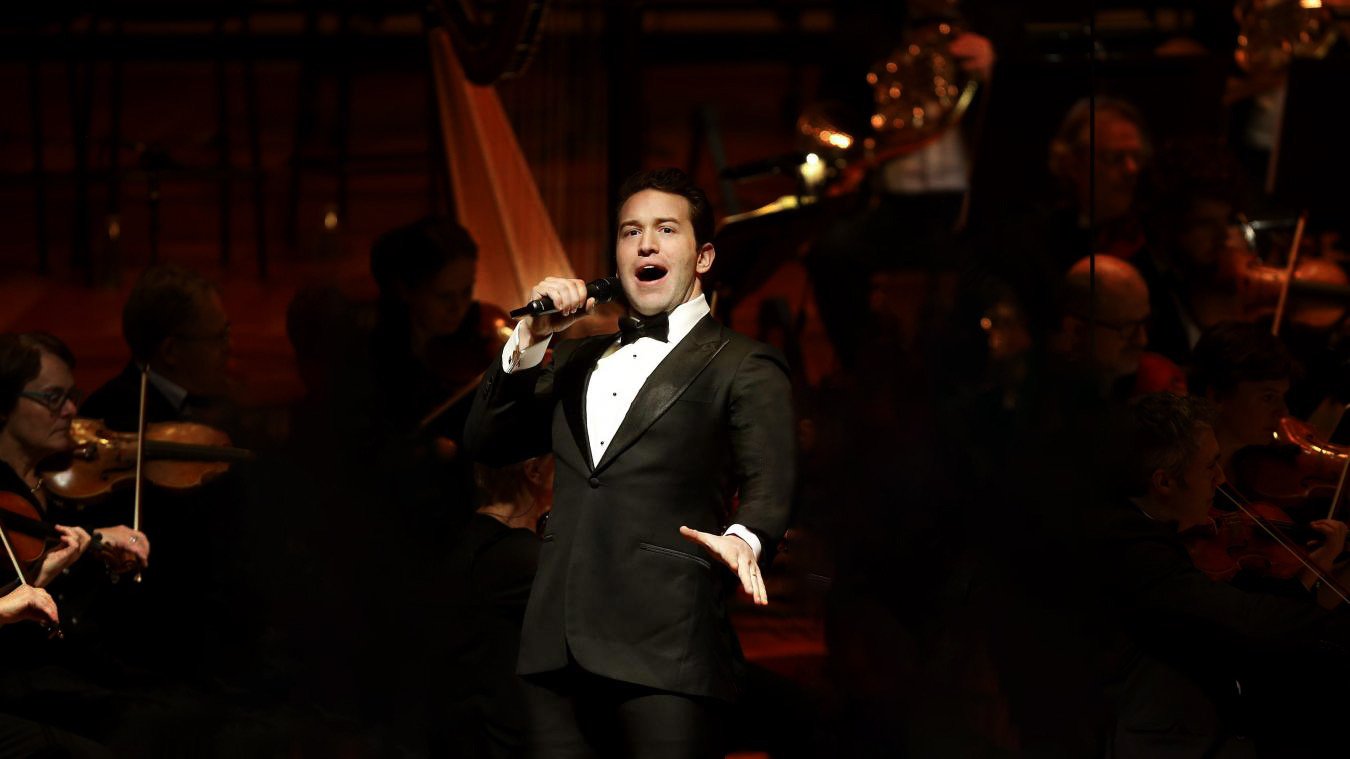
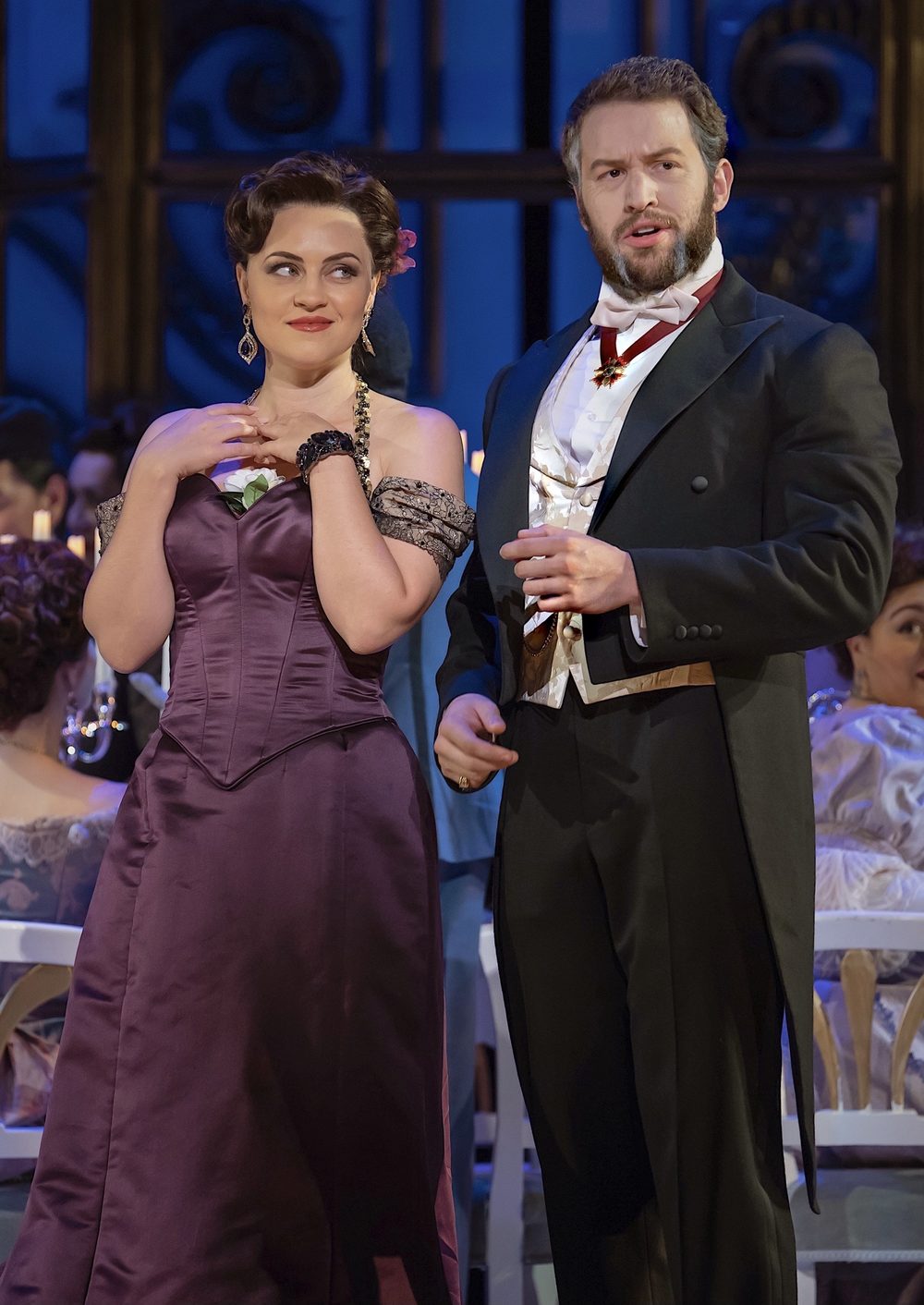
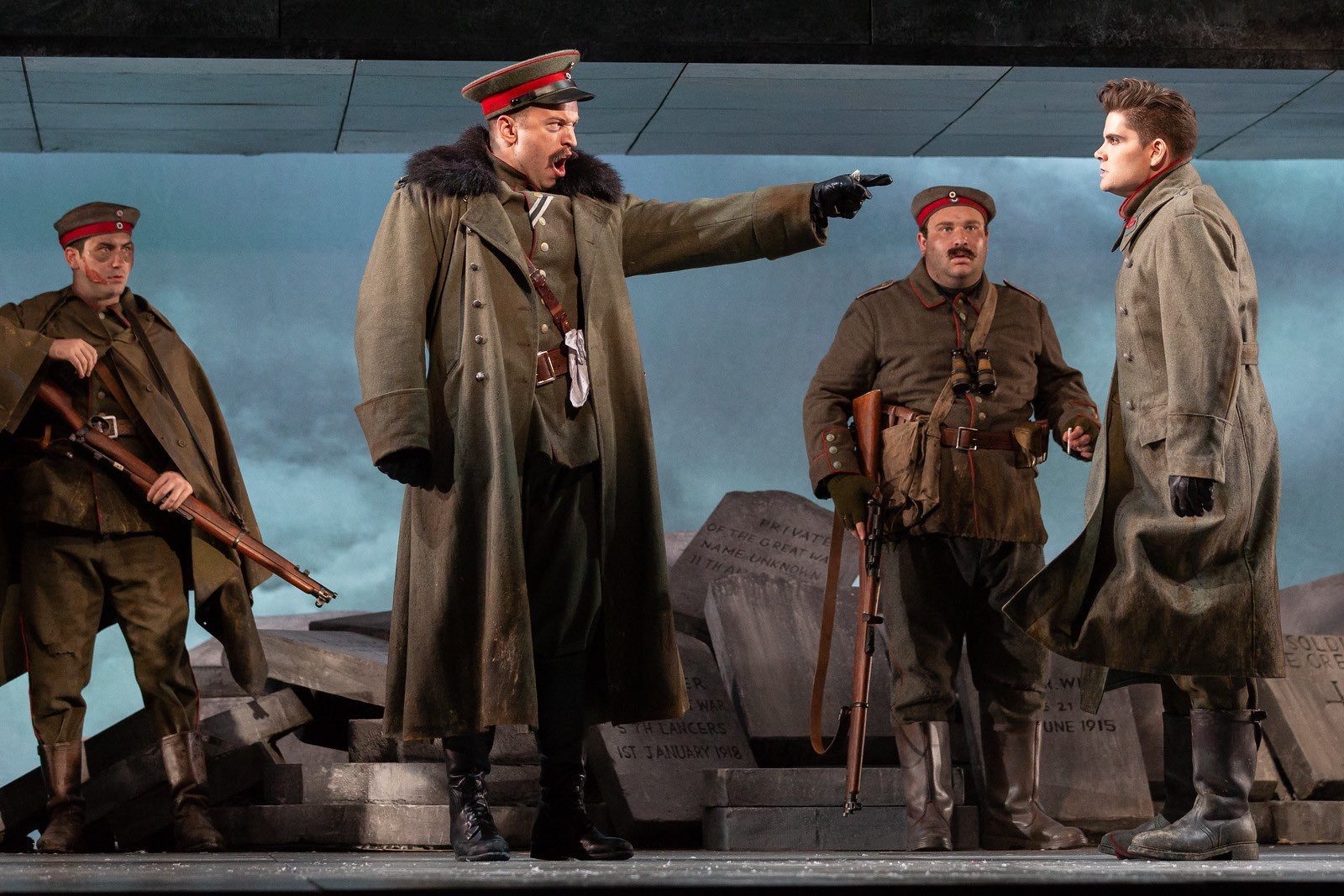
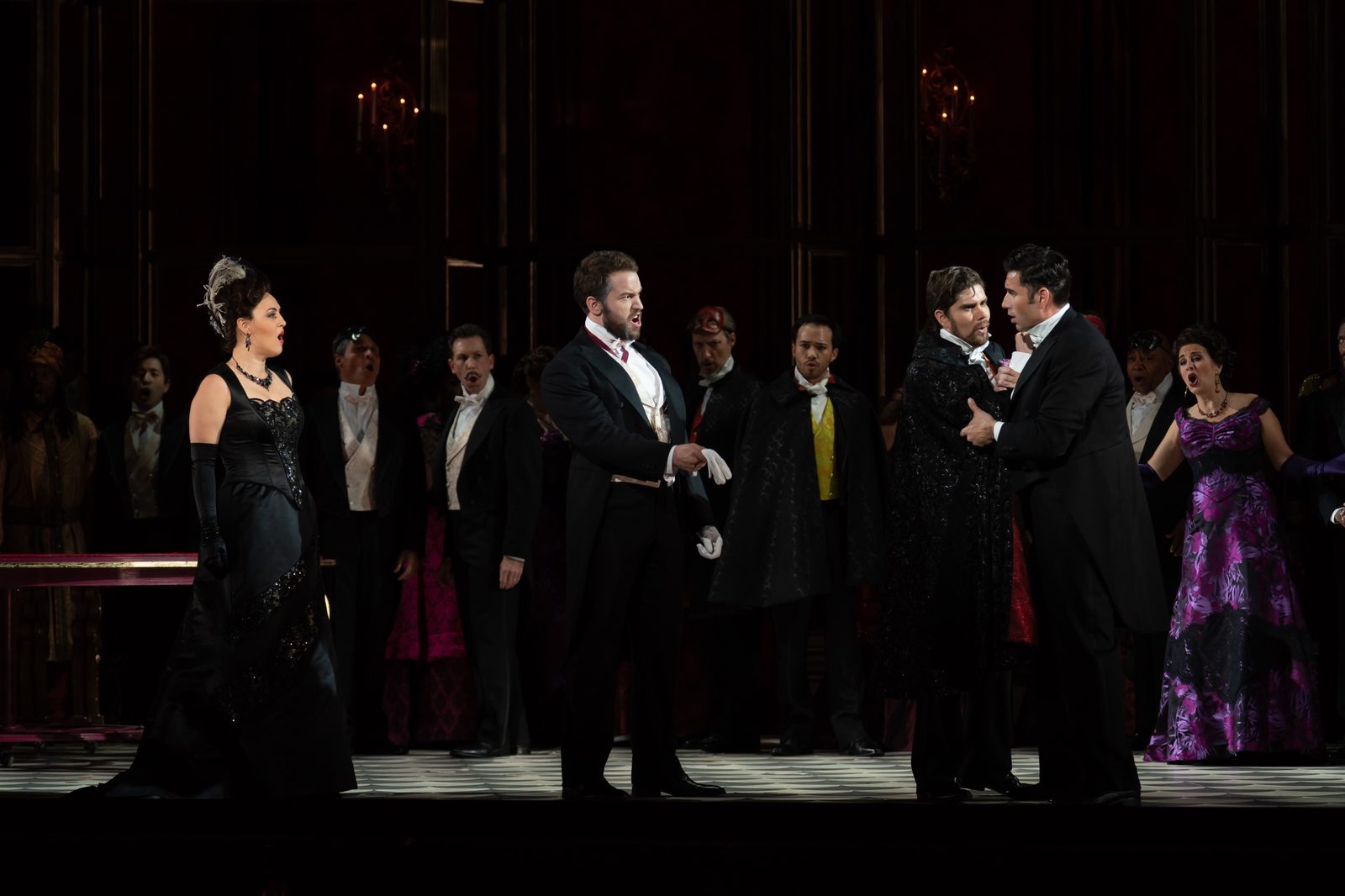
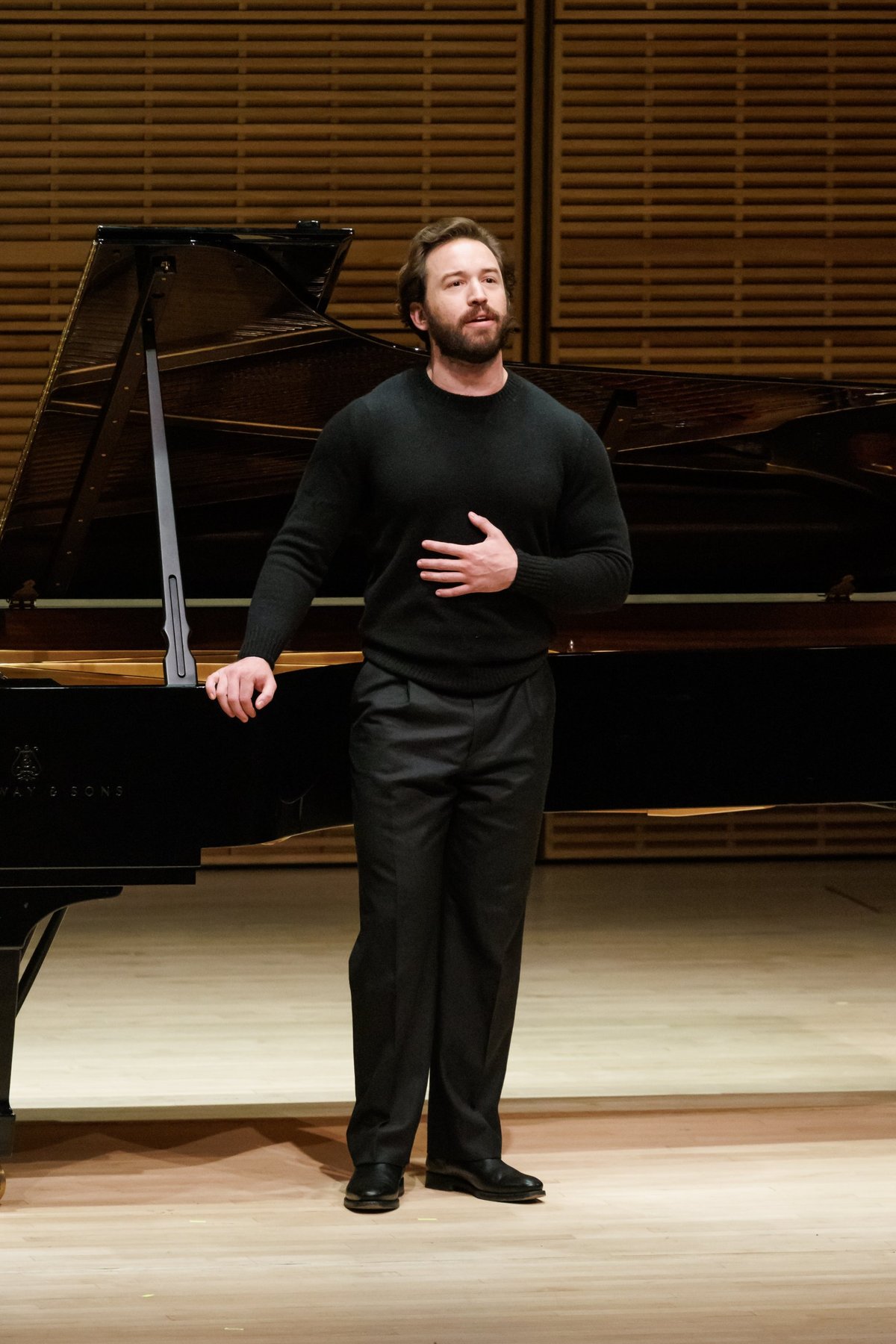
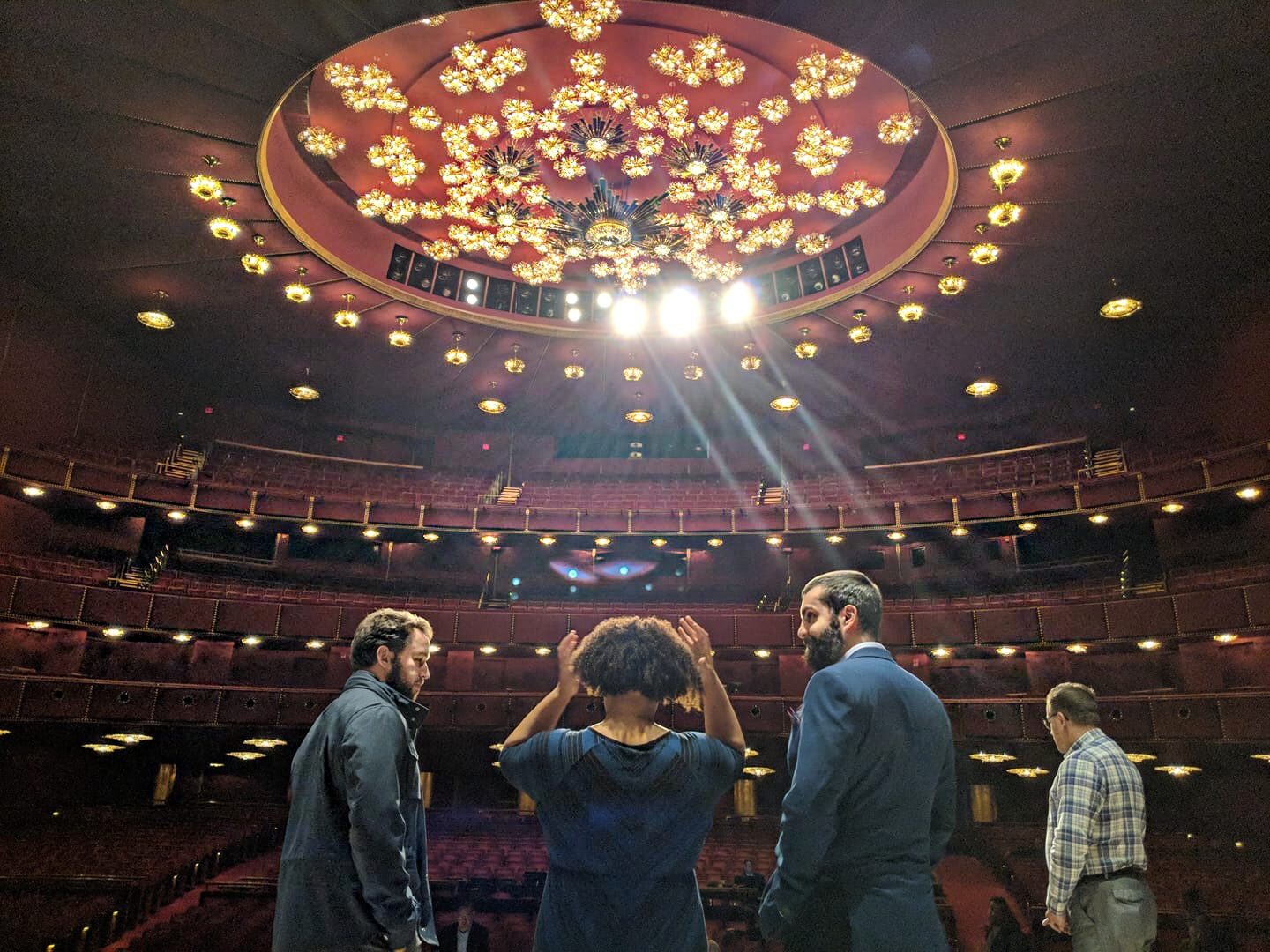
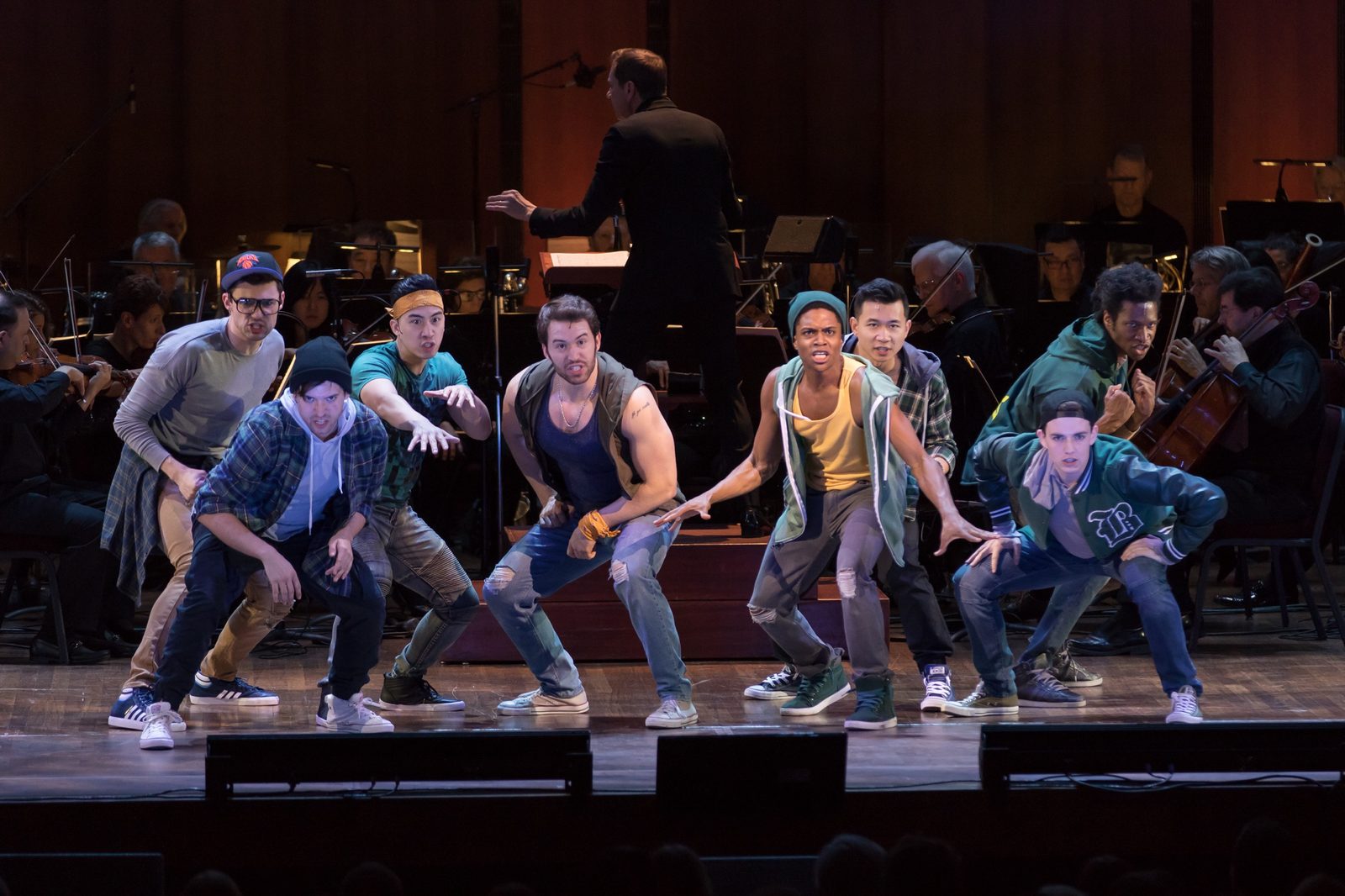
I started coaching in 2015 as both a creative outlet and a way to make extra cash alongside my budding stage career. After I graduated top of my Master of Music class at Rice University and earned accolades and return engagements at leading operatic and musical theatre houses (WNO at The Kennedy Center, Arena Stage, Glimmerglass Festival), the coronavirus pandemic paused all stage work indefinitely.
I pivoted to cybersecurity sales, where I quickly found my stride as a full-cycle Account Executive, first as a pre-IPO hire at a sales-heavy organization and later as employee #36 at one struggling to find PMF.
After simultaneously being laid off and hitting rock bottom in my former marriage, I committed to building this practice, Command a Room, with the message that “your voice tells the world who you are” and the mission of helping people reclaim agency they’ve lost so they can do what they’re built to do.
Go forth, and speak BOLDLY
On stage
Engagements
Get your identity to catch up to your resume.
Close the gap between what you know and how you sound.
Work one-on-one with Michael through the rooms that matter: the raise, the promotion, board meetings, investor calls, podcast and panel appearances, the speaking circuit, and internal conversations.
Engagements are offered selectively. For a team or a firm, mention it when you schedule.
Schedule a consultation- Sessions
- Consider me on retainer, not hourly. An hour a week minimum.
- Between sessions
- Every interview, panel, podcast, and pitch reviewed
- High-stakes rooms
- Prepped, rehearsed live, and debriefed
- Where
- Zoom or in person